Programs & Events
The Maqasid of the Qur’an and Its Surahs (Part 3)
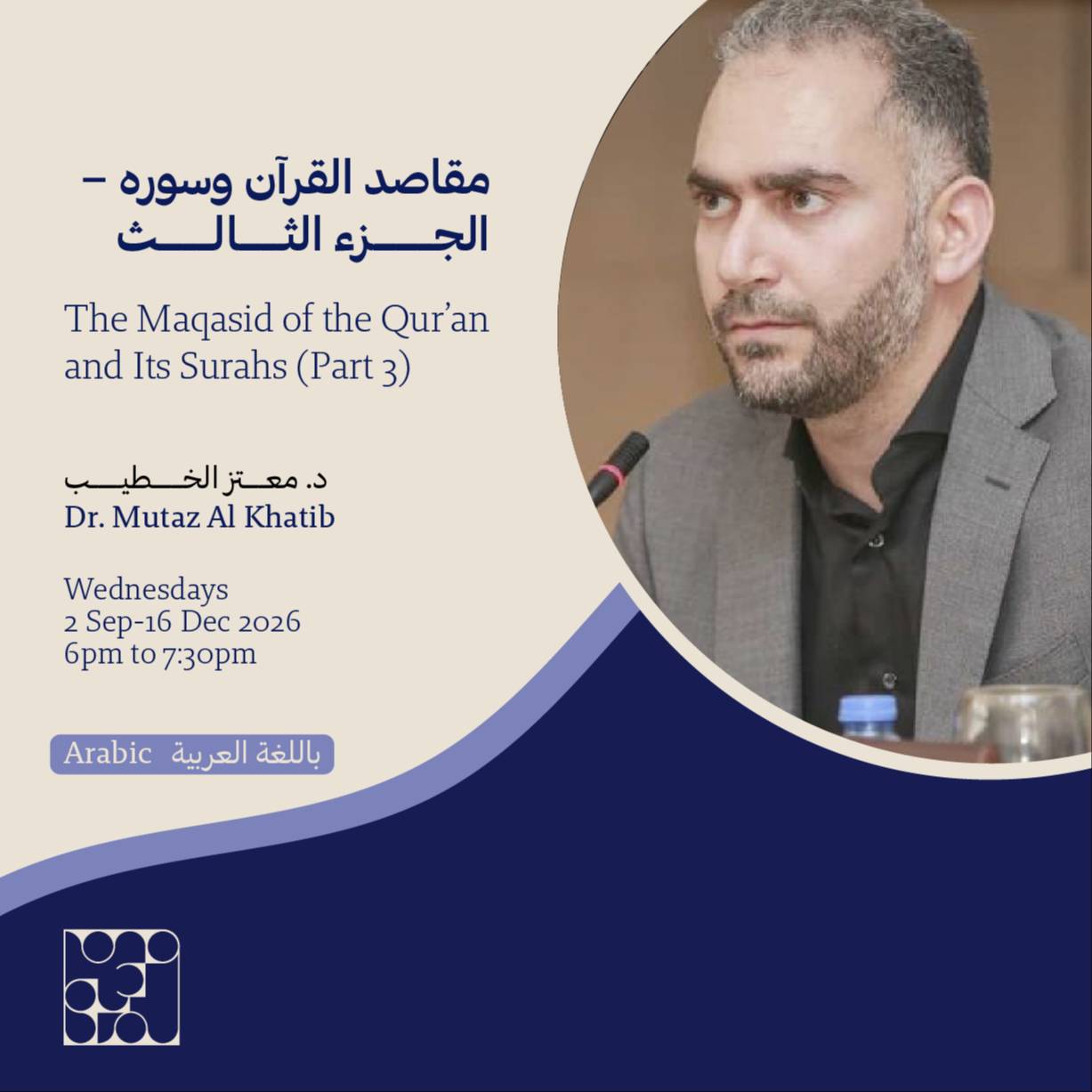
The Surahs of the Qur’an encompass diverse modes of discourse, and each Surah addresses a range of themes and issues that, taken together, fall within the domains of rulings and ..
- Religious Programs
- Accessibility
- Ar
- Register
About this Program
The Surahs of the Qur’an encompass diverse modes of discourse, and each Surah addresses a range of themes and issues that, taken together, fall within the domains of rulings and the narratives that affirm and reinforce those rulings. These rulings include various forms of practical and theoretical evaluation—juridical, theological, historical, and ethical. Collectively, they are situated within a teleological moral perspective: they serve as guidance, counsel, lessons, and admonitions for human beings, so that they may reflect upon its verses and act in accordance with the insights to which their reflection leads them.
In this third part of this course, we begin where the second part concluded. Starting with Surah al-Kahf, we will contemplate the overall structure of the Qur’an, examining each Surah individually in order to identify its principal themes and then determine its central purpose in relation to those themes and topics. Ultimately, this process will enable us to discern the overarching objectives of Qur’anic discourse, in the hope that such reflection will inspire us to act upon its guidance to the best of our ability.
Each lecture lasts two hours. It begins with recitation of the opening verses of a Surah, followed by an analytical discussion. The instructor then presents an interpretation of the Surah, explaining its central purpose and the methodological approaches through which that purpose has been identified.
If you find it difficult to cover the fees and require financial assistance, please apply for a fee waiver at this link:
Al-Mujadilah Fee Waiver Request Form | Fall Cycle 1 | طلب إعفاء الرسوم – Fill in form
1. To introduce students to the major scholarly conclusions regarding the overarching aims (maqasid) of the Qur’an.
2. To cultivate deep reflection on each Surah through an exploration of its main themes and ethical objectives.
3. To develop an analytical framework that connects the specific aims of individual Surahs with the Qur’an's unified moral and spiritual vision.
4. To encourage students to apply the Qur’anic aims in daily life and to view Tadabbur as a foundation for personal, familial, and social transformation.
5. To equip students with accessible methodological tools for engaging the Qur’an, grounded in the interpretive tradition of classical scholarship and responsive to contemporary contexts.
By the end of the program, participants will be able to:
1. Identify the thematic structure of each Surah studied and relate it to its overarching aims (maqasid).
2. Articulate key ethical and practical purposes conveyed in the Surahs of the Qur’an.
3. Contextualize each Surah within the broader flow of Qur’anic discourse, recognizing its connections to preceding and subsequent Surahs.
4. Distinguish between the thematic elements and ethical aims of each Surah.
5. Apply foundational analytical tools to everyday life situations, drawing on Qur’anic guidance for reflection and ethical action.
Meet our Instructor
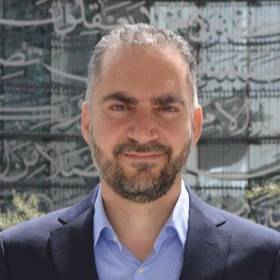
Dr. Mutaz Alkhatib
Besides many refereed articles, He authored and edited several books including: Radd al-Ḥadīth min Jihat al-Matn: Dirāsa fī Manāhij al-Muḥaddithīn wa-l Uṣūliyyīn (Matn Criticism: a study of the methods of traditionists and jurists) (2011), Ma’ziq al-Dawla bayna al-Islāmiyyīn wa-l ‘Almāniyyīn (The dilemma of the state between Islamists and secularists) (2016), al-‘Unf al-Mustabāḥ: al-Sharia fī Muwājahat al-Umma wa-l Dawla (Violence Made Permissible: ‘Sharia’ versus the People and the State) (2017) Qabūl al- Ḥadīth (The Reception of Ḥadīth) (2017), Islamic Ethics and the Trusteeship Paradigm (co-editor) (2020), Ḥadīth and Ethics through the Lens of Interdisciplinarity (2023).
Recommended For You
 Paid
Paid
Surah Luqman: From Recitation to Tazkiyah
- Religious Programs
- Ar
 Paid
Paid
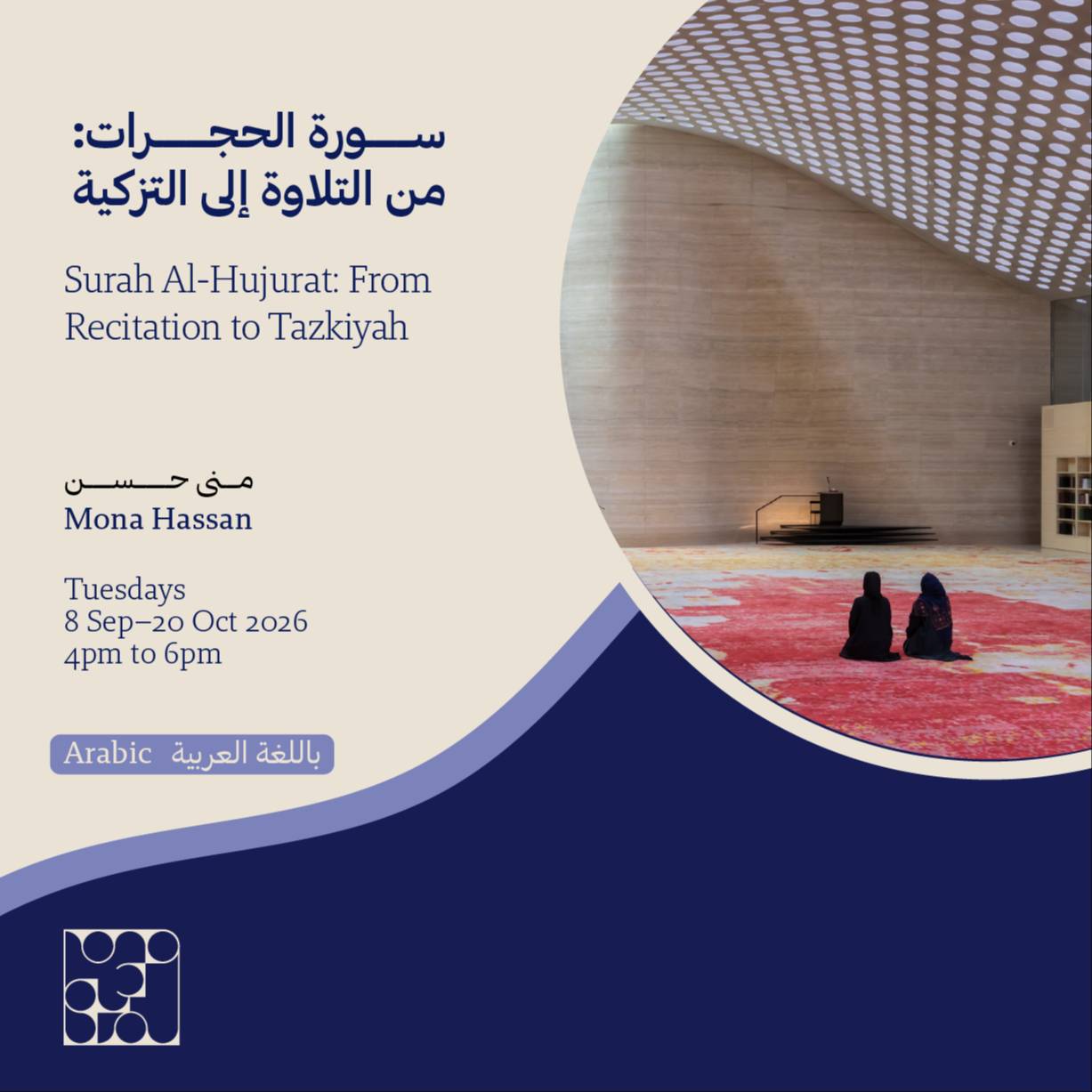
Surah Al-Hujurat: From Recitation to Tazkiyah
- Religious Programs
- Ar
 Paid
Paid
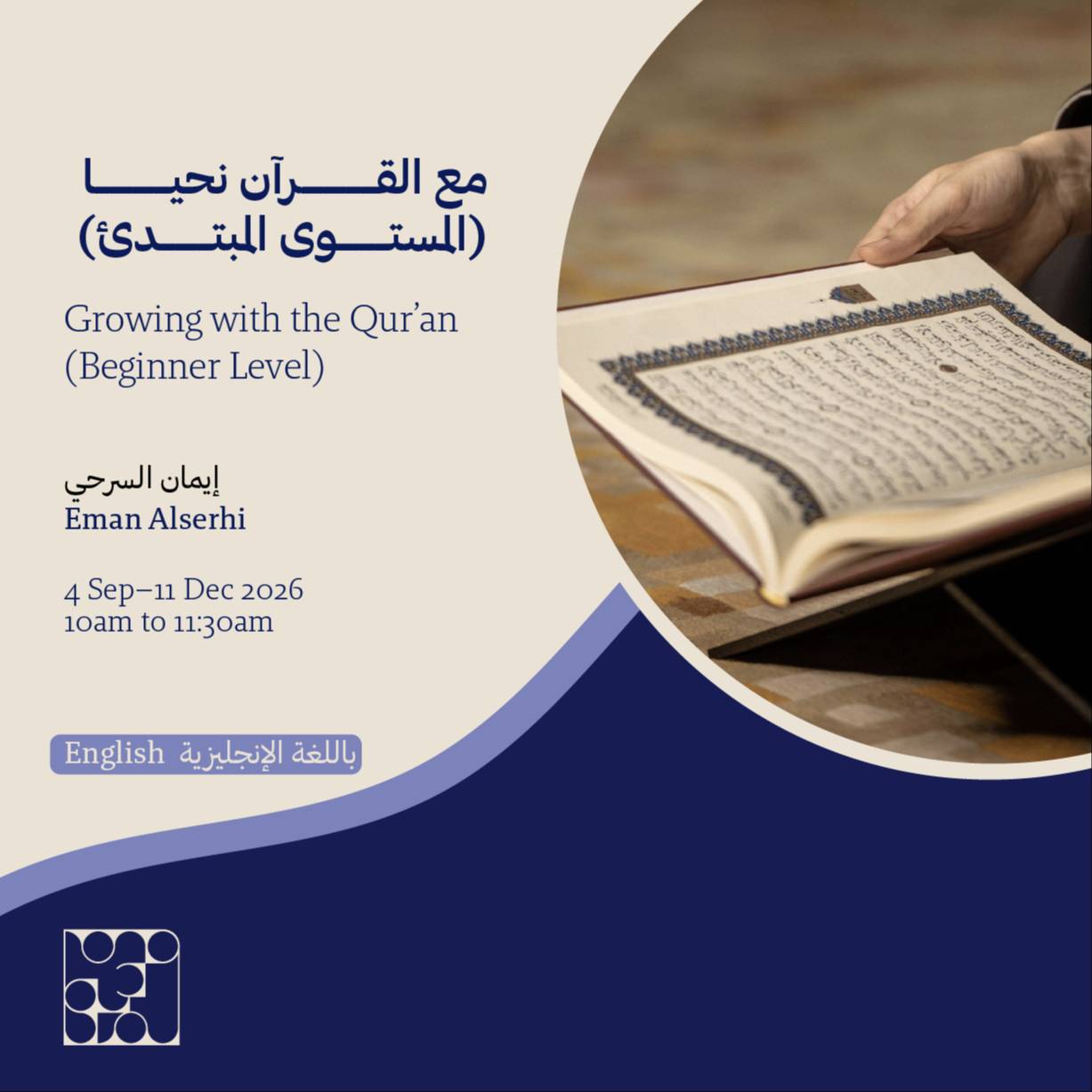
Growing with the Qur’an (Beginner Level)
- Religious Programs
- En
 Paid
Paid
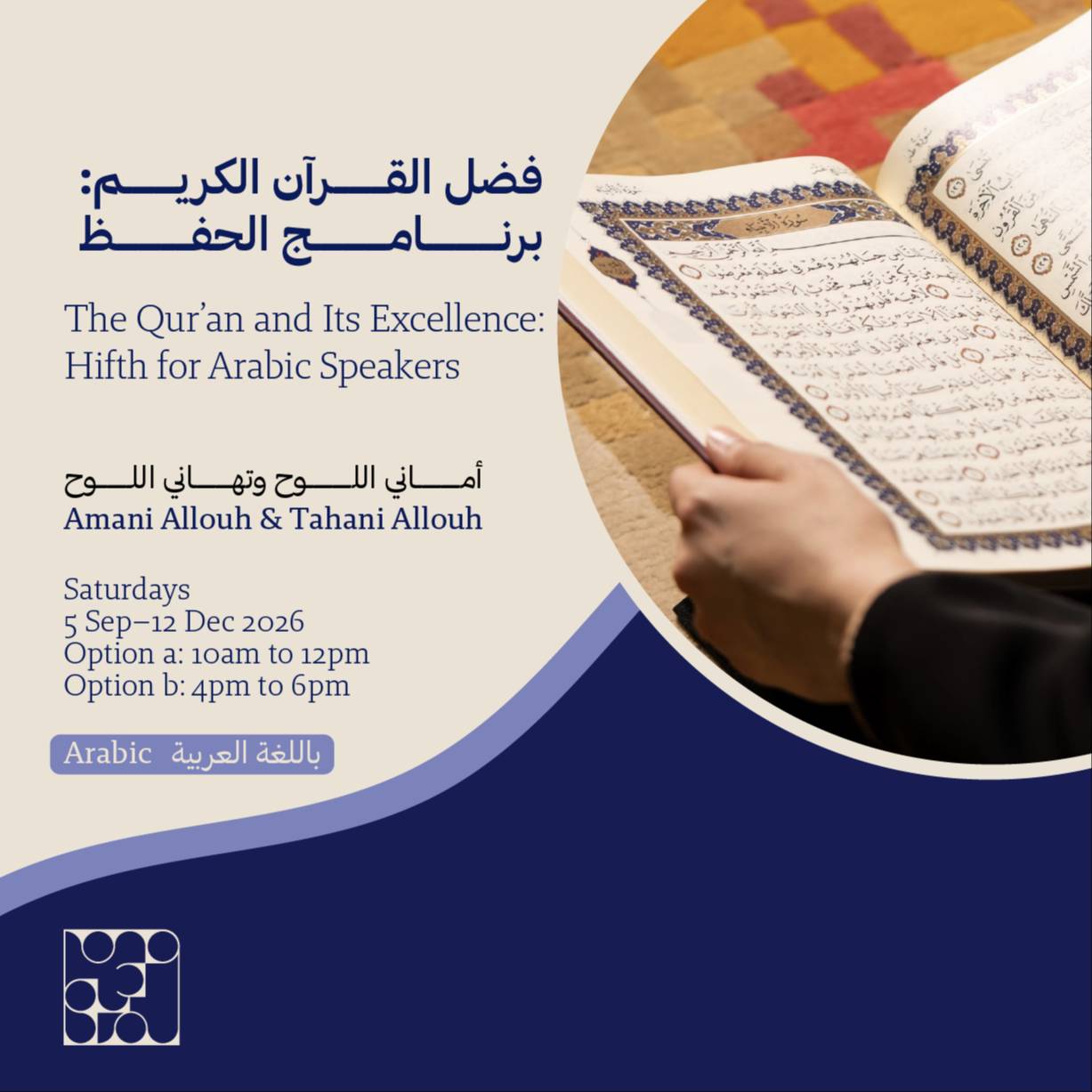
The Qur’an and Its Excellence: Hifth for Arabic Speakers
- Religious Programs
- Ar
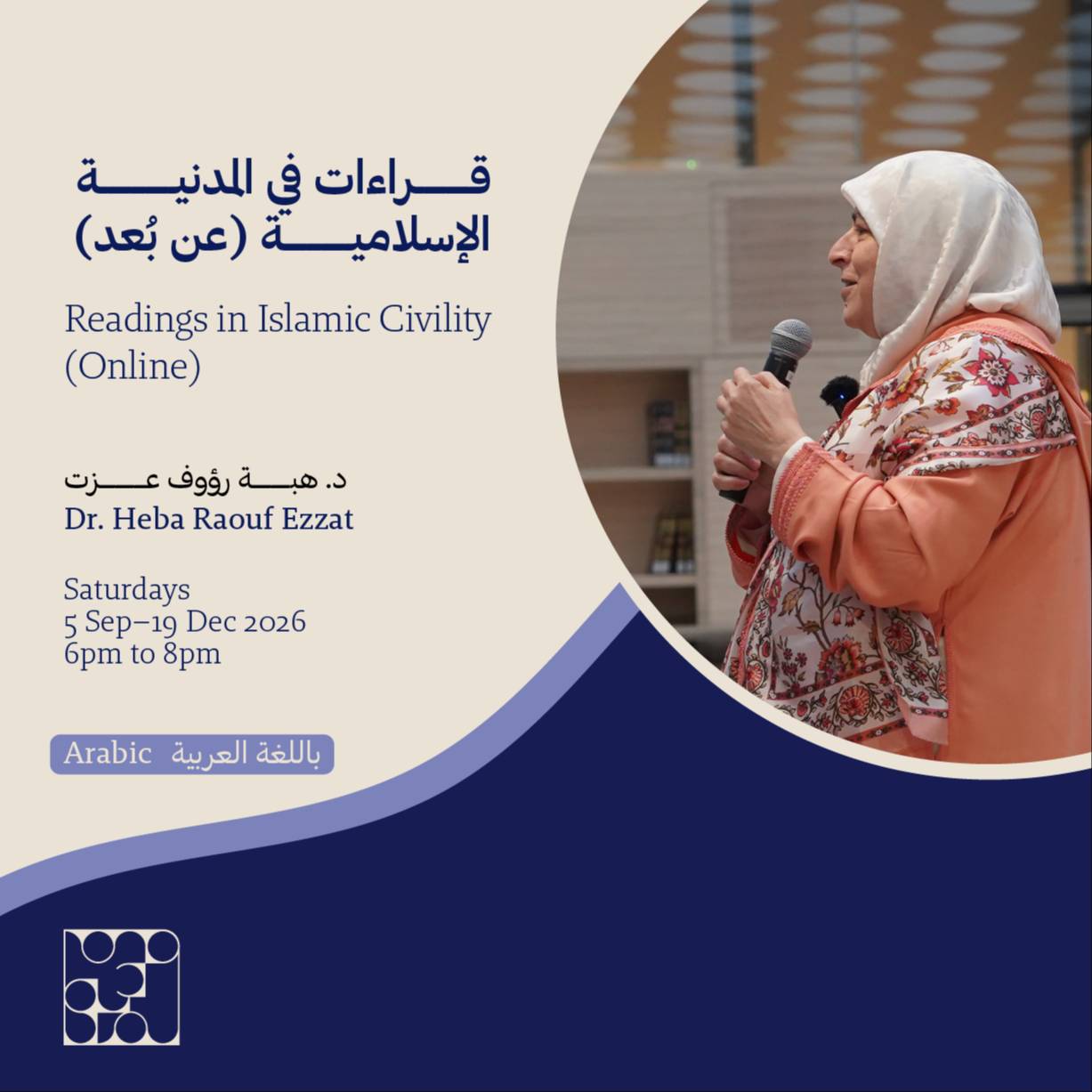 Free
Free
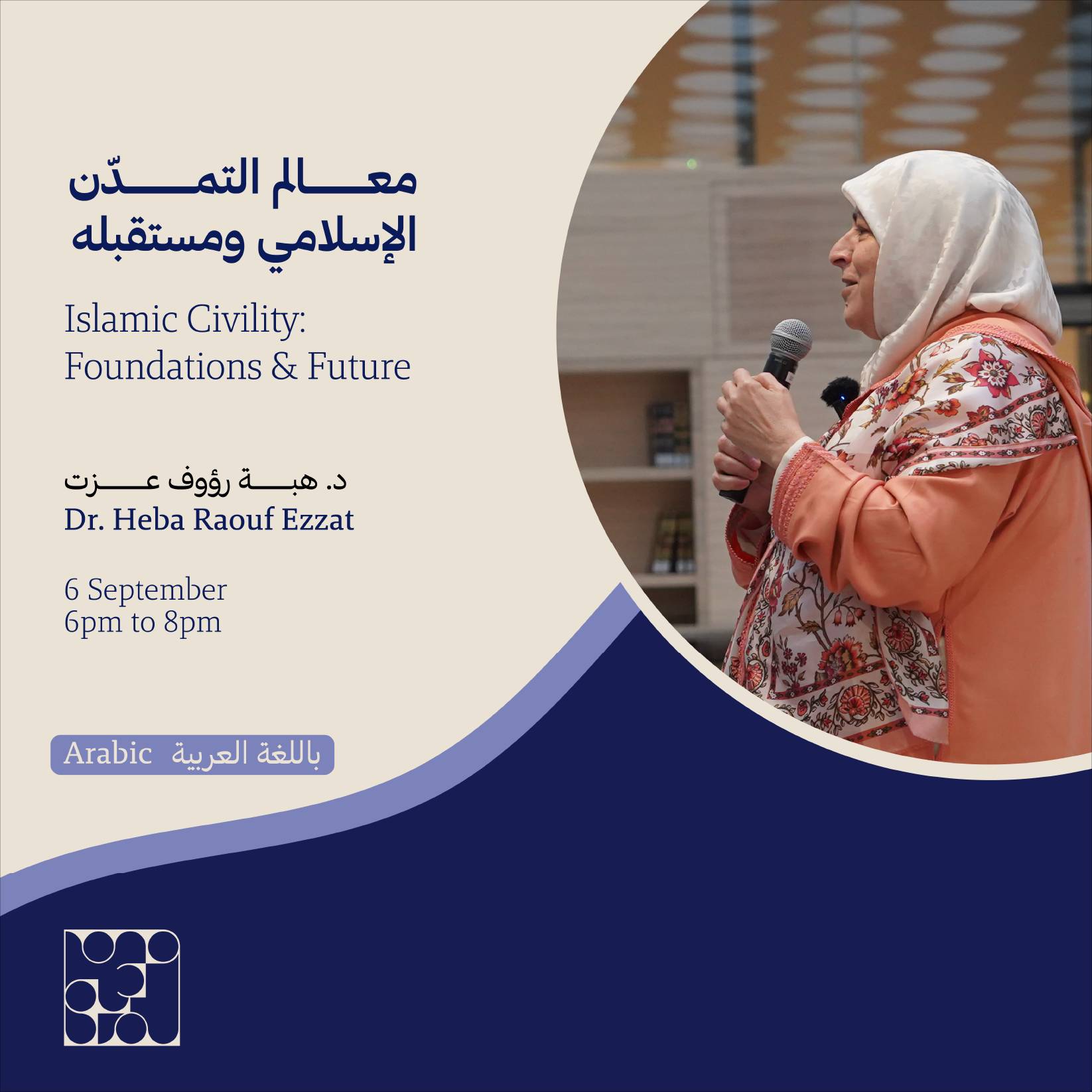
Readings in Islamic Civility (Online)
- Religious Programs
- Ar
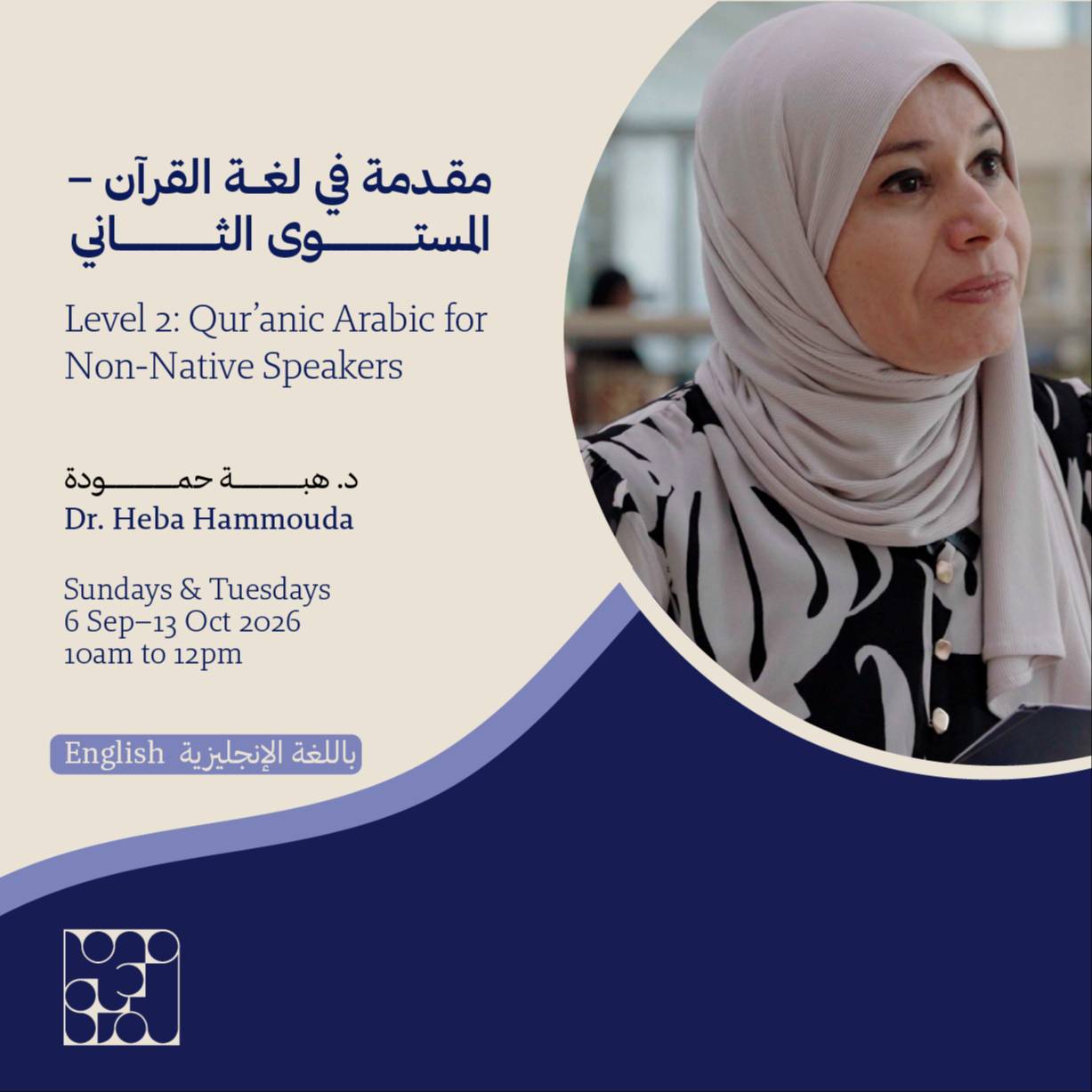 Paid
Paid
Level 2: Qur’anic Arabic for Non-Native Speakers
- Religious Programs
- En
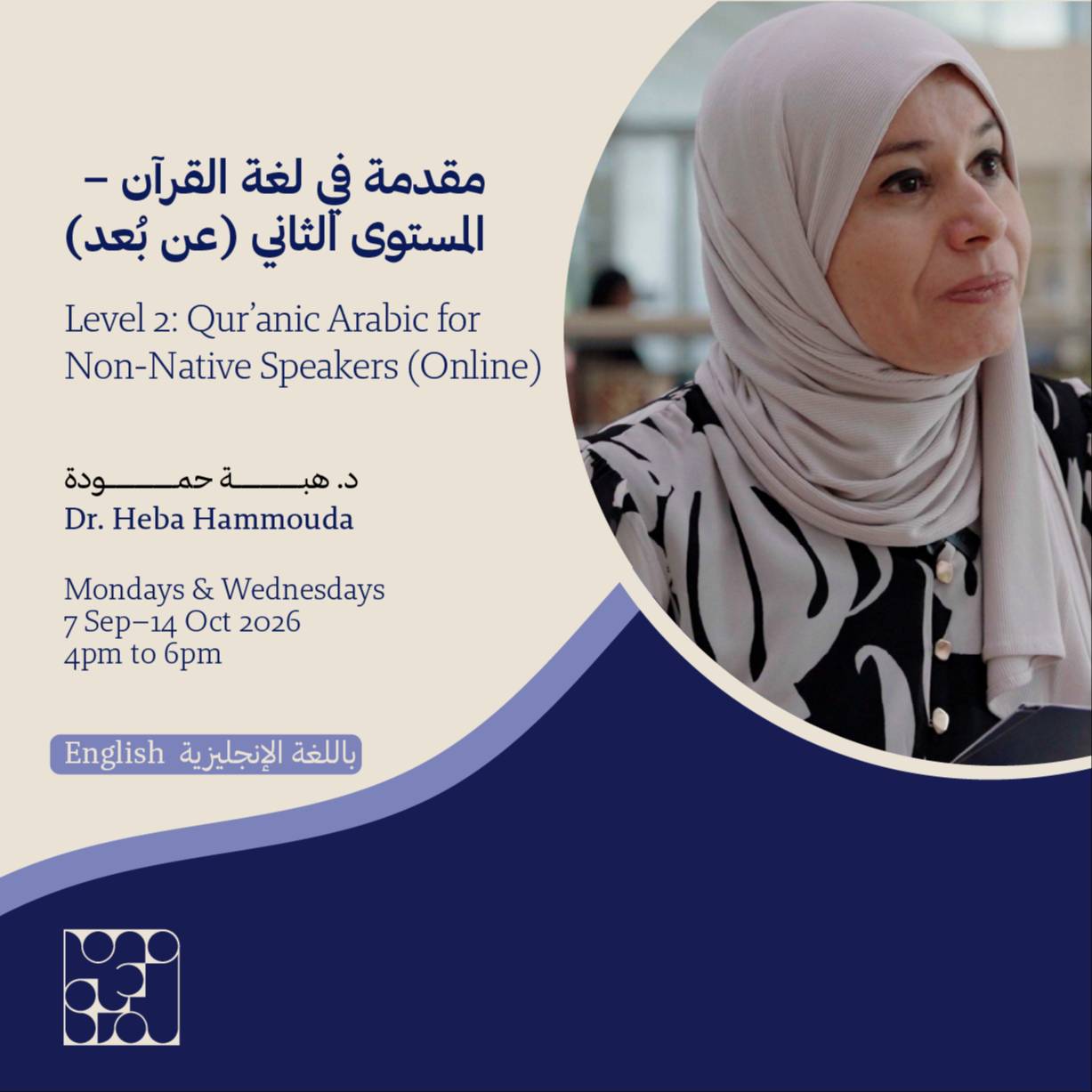 Paid
Paid
Level 2: Qur’anic Arabic for Non-Native Speakers (Online)
- Religious Programs
- En
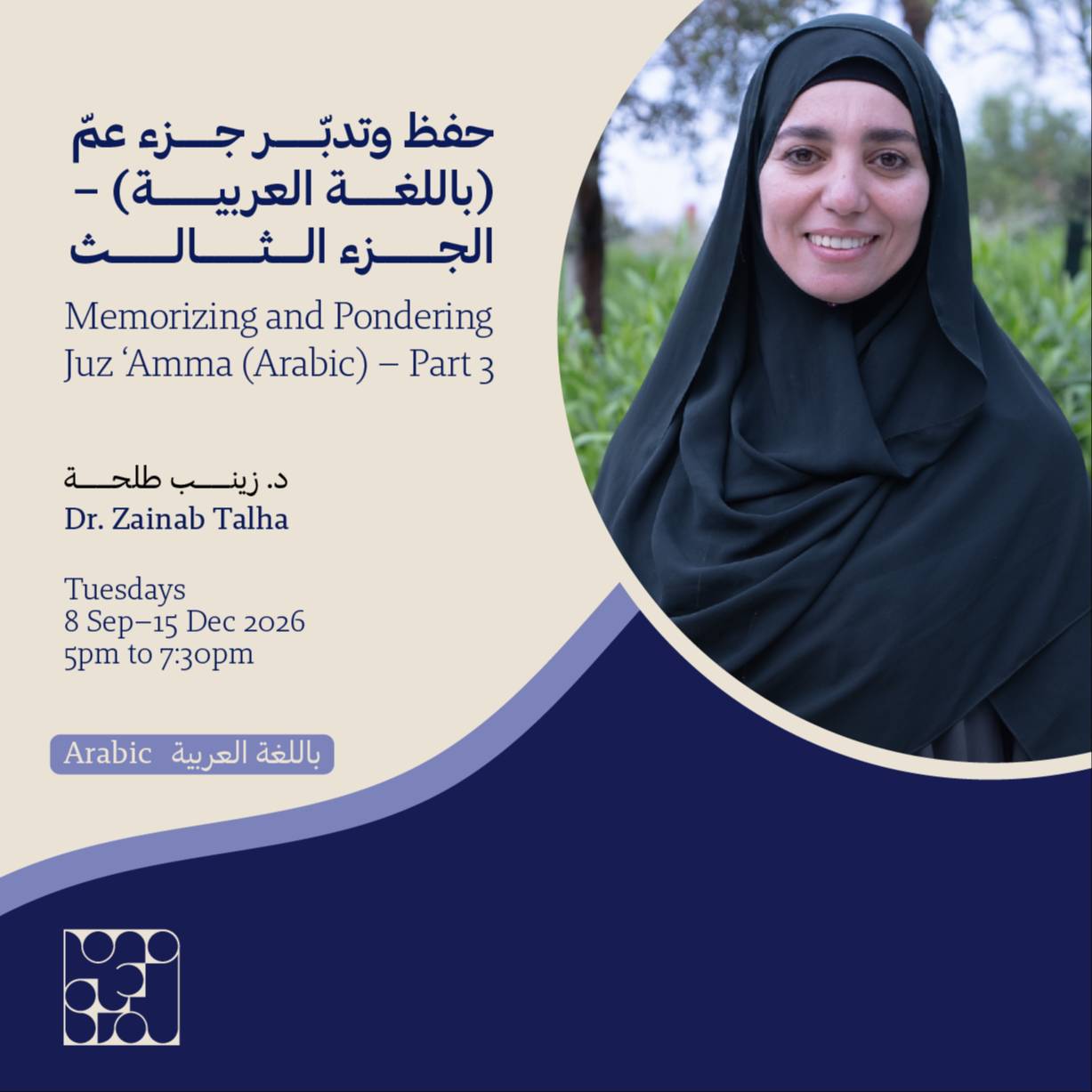 Paid
Paid
Memorizing and Pondering Juz ‘Amma (Arabic) – Part 3
- Religious Programs
- Ar
 Paid
Paid
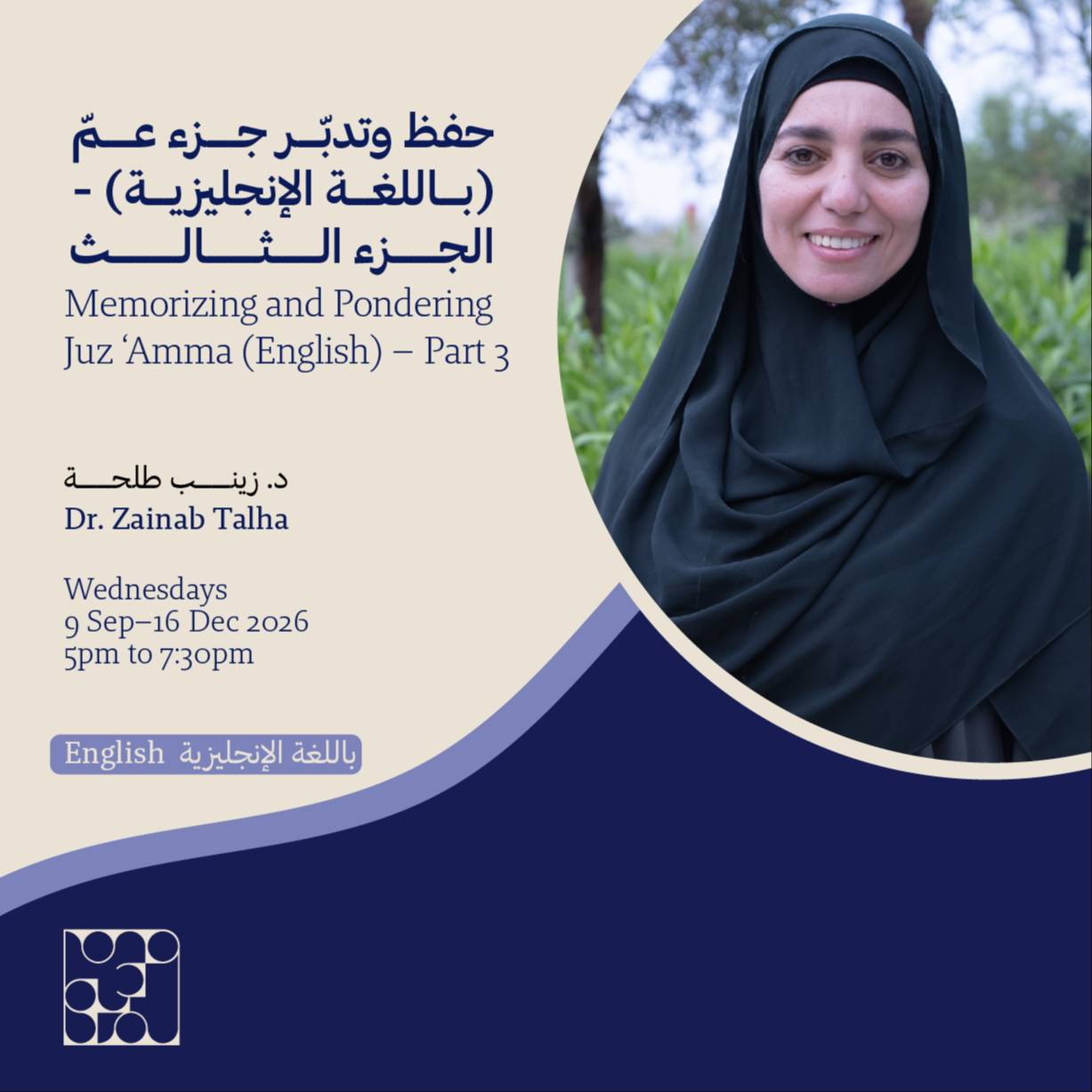
(English) Memorizing and Pondering Juz 'Amma (Part 3)
- Religious Programs
- En
 Free
Free
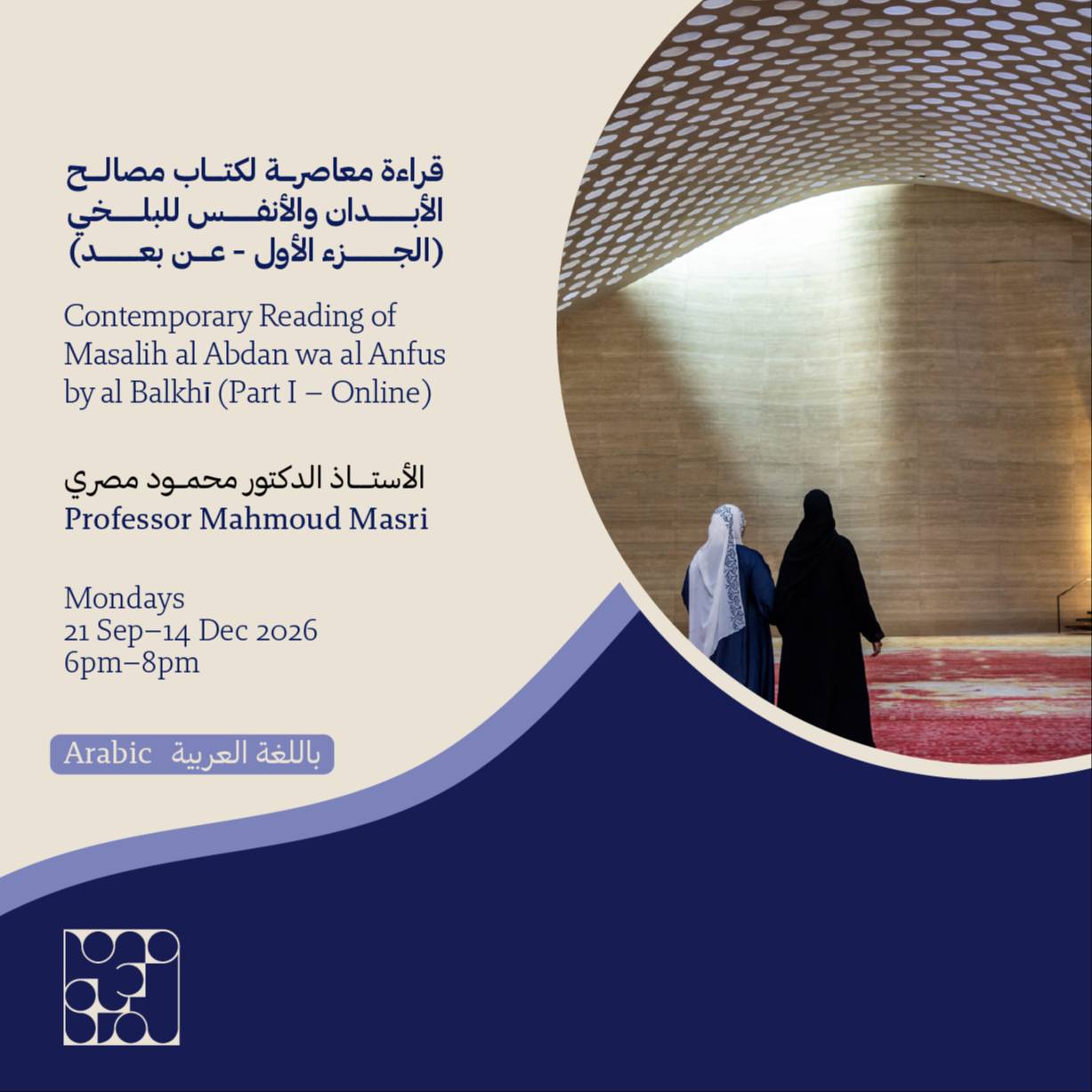
Contemporary Reading of Masalih al Abdan wa al Anfus by al Balkhī (Part I – Online)
- Religious Programs
- Ar
 Free
Free
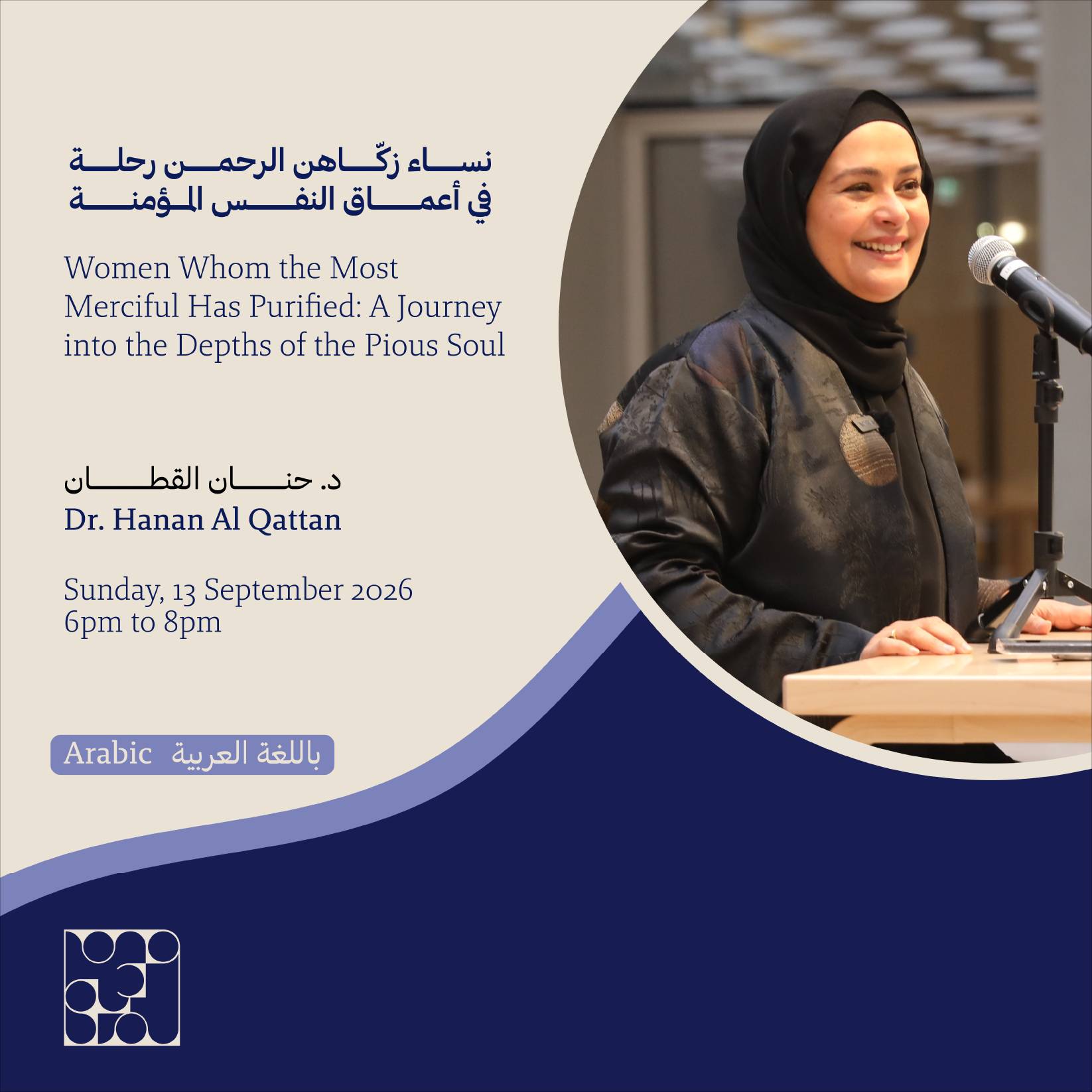
Women Whom the Most Merciful Has Purified: A Journey into the Depths of the Pious Soul
- Religious Programs
- Ar